
Key Takeaways
- Inspect your rental property regularly to identify maintenance needs early and plan repairs.
- Build relationships with reliable contractors before you need repairs, and compare estimates for larger projects.
- Research comparable Houston rentals to set a competitive asking rent and manage vacancy periods.
- Review rental income, maintenance costs, and vacancies together to understand your property’s financial performance.
Your first rental property may look like a great investment, but owning a rental involves more than collecting rent.
You may need to arrange an air conditioning repair during Houston’s summer heat, evaluate a contractor’s estimate, or decide how to price your property when similar homes are available.
These situations are part of rental ownership, and the decisions you make can affect your property’s condition and financial performance.
Whether you’re renting out a former residence or managing your first investment property, preparation can make these responsibilities easier to handle.
Keyrenter Houston helps first-time and accidental landlords understand their options and develop effective property management plans.
Here are three practical strategies to help you manage your rental property with confidence.
In the video below, Abi from Keyrenter Houston shares advice on preventive maintenance, working with contractors, and managing rental vacancies.
Who is Keyrenter Houston?
1. Prevent Expensive Repairs With Routine Inspections
A small maintenance issue can become more costly if it goes unnoticed. Regular inspections help you understand your property’s condition and identify repairs before they require more extensive work.
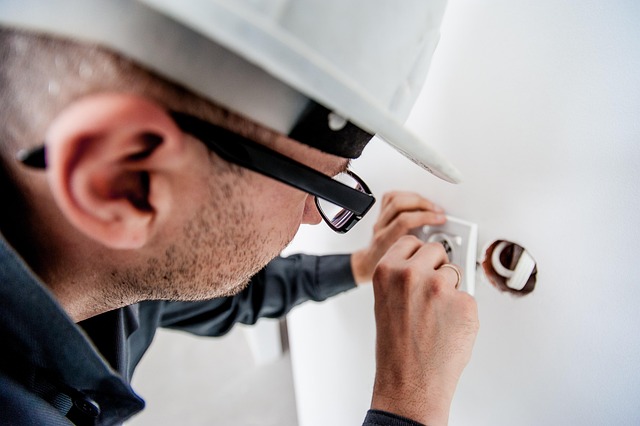
For many properties, an inspection approximately every six months can provide an opportunity to review the home’s condition. The right schedule depends on the property, lease agreement terms, and applicable entry requirements.
Pay Attention to Houston’s Climate
Houston’s heat and humidity create specific maintenance needs for rental property owners. Air conditioning systems work hard during the summer, making preventive HVAC maintenance an important part of property care.
Before temperatures rise, consider having a qualified technician inspect the system, check drainage components, and address any concerns.
Other areas to monitor include plumbing connections, water heaters, and spaces where moisture may collect. Look for visible leaks, water stains, and other signs that a repair may be needed.
Regular attention to these areas can help you plan maintenance and protect your property’s condition throughout the year.
Not sure what your Houston rental property could earn?
Document What You Find
Keep records of inspection dates, property conditions, recommended repairs, and completed work. Photos and written notes can help you track recurring concerns and plan future expenses.
Communicate inspection plans with tenants in advance and follow the lease and applicable entry requirements. Explaining the purpose of an inspection also helps set clear expectations.
The goal is to identify maintenance needs early, plan appropriate repairs, and keep the property in good condition.
2. Build a Contractor Network Before You Need One
Imagine discovering a plumbing leak over the weekend and needing to find a qualified professional right away. Having contractor contacts ready can make it easier to arrange service and evaluate your options.

Rather than starting your search during a repair, build relationships with dependable maintenance professionals before you need their services.
Know Who to Call
Start by identifying contractors who handle common rental property needs, including HVAC servicing, plumbing, electrical work, and general repairs.
When evaluating professionals, consider their experience, communication, references, and any licensing or insurance requirements that apply to their work.
Keep contact information, service details, and previous estimates organized so you can find them when needed.
It may also help to learn which contractors offer emergency services and which handle scheduled maintenance. Knowing the difference can help you choose the right professional for each situation.
Compare Repair Recommendations
For larger, nonemergency repairs, ask for a written estimate that explains the proposed work and expected costs. Comparing estimates can help you understand differences in materials, repair methods, and project scope.
However, price should not be your only consideration. A qualified contractor who explains the work clearly and recommends an appropriate solution may offer better value over time.
For urgent repairs, focus on protecting safety and preventing further property damage while arranging qualified service.
3. Price Your Rental to Avoid Unnecessary Vacancies
Setting the right asking rent involves more than choosing the highest possible monthly amount. You also need to consider how the price compares with similar properties and how long the home may remain vacant.
Even when a rental is empty, ownership expenses such as mortgage payments, insurance, utilities, and property taxes may continue.
We can help with your property's success!
Compare Properties in Your Neighborhood
Houston has a large rental market, and asking rents can vary between neighborhoods. Before listing your property, research comparable rentals with similar square footage, bedroom counts, amenities, and overall condition.
Consider how your home compares with other available properties. A well-maintained home with useful features may appeal to applicants when its asking rent reflects local market conditions.
Pay attention to how long comparable properties remain listed, when that information is available. This can help you assess whether your proposed rent aligns with current demand.
Consider the Cost of Waiting
Suppose comparable homes rent for around $2,000 per month, but you list your property for $2,100. The additional $100 may seem worthwhile. However, if the higher asking rent contributes to an extra month of vacancy, the lost rental income could outweigh the potential benefit.
This does not mean you should automatically lower your asking rent. Instead, compare the potential income with the cost of waiting for an applicant at your preferred price.
A competitive rental rate, accurate listing information, and a well-maintained property can help attract qualified applicants.
Conclusion
Successful rental ownership involves planning ahead, not just responding when something needs attention. Routine inspections, dependable contractor relationships, and thoughtful rental pricing can help you protect your property’s condition and manage expenses.
Establishing these practices early can make your first rental property easier to manage and help you make informed decisions as an owner.
Keyrenter Houston helps local landlords evaluate their properties, coordinate rental management, and understand their options.
Ready to get started with professional help?
Frequently Asked Questions
What Should I Do Before Renting Out My First Property in Houston?
Start by reviewing your property’s condition, expected rental income, and ongoing ownership expenses. Identify repairs or improvements to complete before advertising the home, and review the insurance coverage appropriate for a rental property.
Prepare a lease, establish consistent tenant screening criteria, and learn about your responsibilities under applicable Texas landlord-tenant laws.
Is It Better to Rent Out My House or Sell It?
The answer depends on your financial goals, property condition, and the local housing market. Compare the potential proceeds from selling with the income and expenses associated with keeping the property as a rental.
Include maintenance, insurance, property taxes, vacancies, and mortgage payments in your estimates. Consider how much time you can devote to property management and whether the expected income supports your investment goals.
A rental market analysis and an estimate of selling costs can help you compare both options before deciding.
What Records Should I Keep for My Rental Property?
Keep organized records of rental income, maintenance expenses, invoices, lease agreements, and tenant communications. You should also document inspections, repair requests, contractor estimates, and completed work.
These records help you track financial performance, maintain accurate accounts, and review the property’s maintenance history. Consider using accounting software or a consistent recordkeeping system to separate rental transactions from personal expenses.
What Expenses Should First-Time Landlords Prepare For?
In addition to mortgage payments, property taxes, and insurance, rental owners should budget for routine maintenance, unexpected repairs, and periods without rental income.
Other expenses may include property preparation, advertising, leasing services, and professional management. Some costs occur regularly, while others arise when equipment needs replacement or a tenant moves out.
Setting aside funds for routine expenses and larger repairs can help you manage these costs. Review your income and expenses regularly to keep your budget aligned with the property’s needs.
Can I Manage My Houston Rental Property Myself?
Yes. Many landlords manage their own properties, especially when starting with a single rental. However, self-management involves more than finding tenants and collecting rent.
You will need to coordinate maintenance, communicate with tenants, handle leasing activities, maintain records, and understand applicable rental housing requirements.
Consider your availability, experience, and distance from the property before deciding. If you prefer help with these responsibilities, compare property management services and fees with the time and costs involved in managing the home yourself.